Ensure Safety in Furnace Installation for Optimal Efficiency
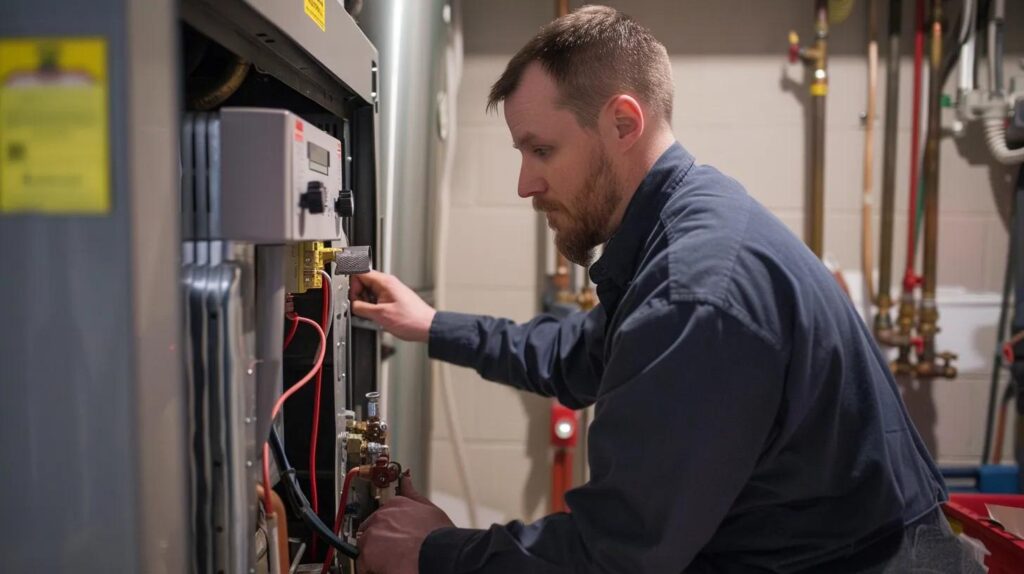
Professional Furnace Installation: Ensuring Safety, Maximizing Efficiency, and Achieving HVAC Compliance
Professional furnace installation is crucial for maintaining a safe and efficient home heating system. It involves adhering to safety standards, optimizing energy efficiency, and ensuring compliance with local HVAC regulations. Homeowners often face challenges in understanding the complexities of furnace installation, which can lead to safety hazards and increased energy costs. This article will guide you through essential safety standards, efficiency optimization techniques, and compliance requirements for furnace installation in Arcadia, CA. Additionally, we will explore the typical costs and financing options available for homeowners looking to install a new furnace. By gaining a comprehensive understanding of these factors, homeowners can make informed decisions that enhance their home’s comfort and safety while also protecting their investment.
What Are the Essential Safety Standards for Furnace Installation?
Safety standards for furnace installation are designed to protect both the occupants of a home and the integrity of the heating system. These standards ensure that installations are performed correctly, minimizing the risk of accidents such as gas leaks or fires. Compliance with these standards is not only a legal requirement but also a critical aspect of maintaining a safe living environment. Licensed technicians play a vital role in ensuring that these safety standards are met during installation. Moreover, adherence to these standards helps prevent costly repairs and potential liability issues that could arise from improper installation.
Which Safety Checks Are Required During Installation?
During furnace installation, several safety checks are essential to ensure proper functioning and safety. These checks include:
- Gas Leak Detection: Technicians must check for any gas leaks in the system to prevent hazardous situations. This involves using specialized equipment to detect even the smallest leaks that could pose serious risks.
- Ventilation Assessment: Proper ventilation is crucial to ensure that exhaust gases are safely expelled from the home. Inadequate ventilation can lead to dangerous buildup of harmful gases, so this assessment ensures air quality and safety.
- Electrical Connections: All electrical connections must be inspected to prevent short circuits or electrical fires. This includes verifying that wiring is up to code and properly insulated.
- Carbon Monoxide Testing: Ensuring that there is no carbon monoxide leakage to protect occupants from poisoning. Carbon monoxide is a colorless, odorless gas that can be fatal, making this test a critical safety measure.
These safety checks are vital for ensuring that the furnace operates safely and efficiently, reducing the risk of future issues. Additionally, these inspections help identify any potential problems early, allowing for timely repairs and maintenance.
How Do Licensed Technicians Ensure Installation Safety?
Licensed technicians are trained to adhere to strict safety protocols during furnace installation. Their training includes:
- Certification in HVAC Standards: Technicians must complete certification programs that cover local building codes and safety regulations. This ensures they are knowledgeable about the latest requirements and best practices.
- Hands-On Experience: Practical training ensures that technicians can identify potential safety hazards during installation. Experience in the field allows them to troubleshoot and resolve issues effectively.
- Continuous Education: Ongoing education keeps technicians updated on the latest safety practices and technologies in the HVAC industry. This commitment to learning helps maintain high standards of workmanship.
By employing licensed technicians, homeowners can have peace of mind knowing that their furnace installation meets all safety standards. This professional expertise not only safeguards the home but also contributes to the long-term reliability and performance of the heating system.
How Can You Optimize Furnace Efficiency Through Professional Installation?
Optimizing furnace efficiency is essential for reducing energy costs and enhancing comfort in the home. Professional installation plays a significant role in achieving this efficiency. A well-installed furnace operates more effectively, leading to lower energy consumption and reduced utility bills. Furthermore, proper installation can improve the furnace’s responsiveness and temperature consistency, creating a more comfortable living environment throughout the heating season.
What Are Furnace Efficiency Ratings and Their Importance?
Furnace efficiency ratings, such as Annual Fuel Utilization Efficiency (AFUE), indicate how effectively a furnace converts fuel into heat. Higher AFUE ratings mean better efficiency, which translates to lower energy costs. For example, a furnace with an AFUE of 90% converts 90% of the fuel it uses into heat, while the remaining 10% is lost. Understanding these ratings helps homeowners choose the right furnace for their needs. Additionally, selecting a furnace with a higher efficiency rating can contribute to environmental sustainability by reducing overall fuel consumption and greenhouse gas emissions.
How Does Energy Efficient Furnace Installation Reduce Costs?
Energy-efficient furnace installation can lead to significant cost savings over time. Some benefits include:
- Lower Utility Bills: Efficient furnaces consume less energy, resulting in reduced monthly heating costs. This can add up to substantial savings over the lifespan of the furnace.
- Incentives and Rebates: Many utility companies and government programs offer incentives for installing energy-efficient models, further lowering upfront costs. These programs can make upgrading to a high-efficiency furnace more affordable.
- Longer Lifespan: Efficient systems often have a longer lifespan, reducing the need for frequent replacements. Proper installation also helps prevent premature wear and tear.
For homeowners, contacting KC Air and Heat can provide insights into energy-efficient furnace options and potential savings. Their expertise can help tailor solutions that fit specific home requirements and budget considerations.
What HVAC Compliance Standards Must Be Met for Furnace Installation?
HVAC compliance standards are essential for ensuring that furnace installations meet local regulations. These standards help maintain safety and efficiency in heating systems, protecting both homeowners and the environment. Compliance also ensures that installations are eligible for warranties and insurance coverage, providing additional protection for homeowners.
Which Permits and Certifications Are Required?
Several permits and certifications are required for furnace installation, including:
- Building Permit: Required for any new installation or significant modifications to existing systems. This permit ensures that the work meets local building codes and safety standards.
- HVAC License: Technicians must hold a valid HVAC license issued by the state or local authority to perform installations legally. This licensing verifies their qualifications and adherence to professional standards.
- Inspection Approval: After installation, an inspection is generally required to ensure compliance with local codes. Passing this inspection confirms that the installation is safe and up to code.
These permits and certifications ensure that installations are performed safely and in accordance with local regulations. They also provide a formal record that can be important for future home sales or insurance claims.
How to Verify Furnace Installation Compliance?
Verifying compliance with HVAC standards involves several steps:
- Check Documentation: Homeowners should request documentation from the technician, including permits and inspection reports. Keeping these records is important for future reference.
- Contact Local Authorities: Homeowners can verify the validity of permits and licenses by contacting local building departments or state HVAC licensing boards. This step helps confirm that all legal requirements have been met.
- Schedule Inspections: Regular inspections can help ensure ongoing compliance with safety and efficiency standards. Scheduling periodic maintenance inspections can also prolong the life of the furnace.
By following these steps, homeowners can ensure that their furnace installation complies with all necessary regulations. This diligence helps avoid potential fines, safety risks, and costly repairs down the line.
What Are the Typical Costs and Financing Options for Furnace Installation?
Understanding the costs associated with furnace installation is crucial for homeowners planning to upgrade their heating systems. The total cost can vary based on several factors, including the type of furnace, installation complexity, and local labor rates. Being aware of these factors allows homeowners to budget effectively and avoid unexpected expenses.
How Is Furnace Installation Cost Determined?
Furnace installation costs are determined by various factors, including:
- Type of Furnace: Different models, such as gas, electric, or oil furnaces, have varying costs. High-efficiency models typically cost more upfront but offer savings over time.
- Installation Complexity: More complex installations may require additional labor and materials, increasing costs. This can include modifications to ductwork or electrical systems.
- Labor Rates: Local labor rates can significantly impact the overall installation cost. Rates may vary depending on the contractor’s experience and demand in the area.
Homeowners should obtain multiple quotes to ensure they receive a fair price for their installation. Comparing quotes also provides insight into the scope of work and helps identify reputable contractors.
What Financing Options Are Available for Energy Efficient Furnaces?
Several financing options are available for homeowners looking to install energy-efficient furnaces, including:
- Home Improvement Loans: Many banks offer loans specifically for home improvement projects, including HVAC upgrades. These loans often have competitive interest rates and flexible terms.
- Manufacturer Financing: Some furnace manufacturers provide financing options to help homeowners afford new installations. These programs may include promotional rates or deferred payments.
- Utility Company Programs: Local utility companies may offer financing or rebates for energy-efficient installations. These incentives can significantly reduce the overall cost.
These options can make it easier for homeowners to invest in energy-efficient heating solutions. Exploring available financing and incentive programs can help maximize savings and improve the affordability of furnace upgrades.
Frequently Asked Questions
What should I consider when choosing a furnace for my home?
When selecting a furnace, consider factors such as the type of fuel (gas, electric, or oil), the size of the unit, and its efficiency rating (AFUE). It’s essential to choose a furnace that matches your home’s heating needs and is compatible with your existing ductwork. Additionally, consider the warranty and service options available, as well as any local climate conditions that may affect performance. Consulting with a licensed HVAC professional can help you make an informed decision tailored to your specific requirements.
How often should I schedule maintenance for my furnace?
It is recommended to schedule furnace maintenance at least once a year, ideally before the heating season begins. Regular maintenance helps ensure that your furnace operates efficiently and safely, reducing the risk of breakdowns and extending its lifespan. During maintenance, a technician will inspect, clean, and tune the system, addressing any potential issues before they become significant problems. Homeowners should also consider scheduling additional inspections if they notice any unusual noises or performance issues throughout the heating season.
What are the signs that my furnace needs repair?
Common signs that your furnace may need repair include unusual noises (such as banging or squeaking), inconsistent heating throughout your home, increased energy bills, or the presence of strange odors. Additionally, if the furnace frequently cycles on and off or fails to start, these could indicate underlying issues. If you notice any of these symptoms, it’s essential to contact a licensed technician promptly to diagnose and address the problem before it leads to more extensive damage or safety hazards.
Can I install a furnace myself, or should I hire a professional?
While some homeowners may consider a DIY furnace installation, it is highly recommended to hire a licensed professional. Furnace installation involves complex tasks, including gas line connections, electrical work, and ensuring compliance with local codes and safety standards. A professional technician has the necessary training and experience to perform the installation safely and efficiently, minimizing the risk of accidents or costly mistakes. Additionally, professional installation often comes with warranties and guarantees that protect your investment.
What are the benefits of upgrading to a high-efficiency furnace?
Upgrading to a high-efficiency furnace offers several benefits, including lower energy bills, improved comfort, and reduced environmental impact. High-efficiency models typically have higher AFUE ratings, meaning they convert more fuel into usable heat, resulting in significant energy savings over time. Additionally, these furnaces often operate more quietly and provide more consistent heating throughout your home. Many utility companies also offer rebates and incentives for installing energy-efficient models, making the upgrade more financially appealing.
How can I improve my furnace's efficiency after installation?
To enhance your furnace’s efficiency post-installation, consider regular maintenance, such as changing air filters every 1-3 months and scheduling annual professional inspections. Additionally, ensure that your home is well-insulated to prevent heat loss and consider using a programmable thermostat to optimize heating schedules. Sealing any leaks in ductwork and ensuring proper ventilation can also improve efficiency. Lastly, consider zoning systems to heat only the areas of your home that are in use, further reducing energy consumption.
Conclusion
Professional furnace installation not only ensures safety and compliance but also maximizes energy efficiency, leading to significant cost savings for homeowners. By understanding the essential safety standards and efficiency ratings, you can make informed decisions that enhance your home’s comfort and protect your investment. Don’t hesitate to reach out to licensed technicians for expert guidance tailored to your specific needs. Explore your options today to ensure a warm and efficient home this heating season.