Los Angeles Green Building & HVAC Initiatives
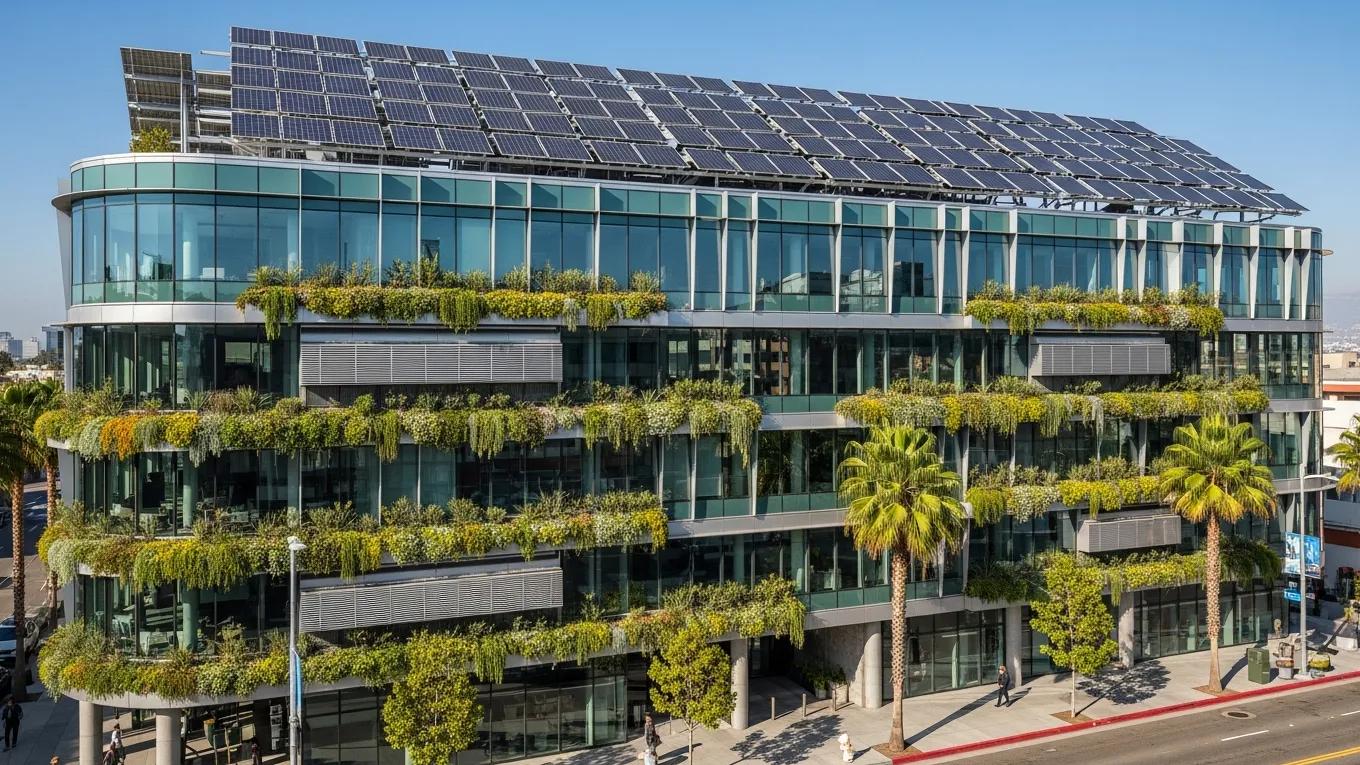
Comprehensive Guide to Los Angeles, CA Green Building & Energy Efficient HVAC Systems for Sustainable Solutions
As Los Angeles, CA’s urban footprint grows, implementing sustainable building practices becomes essential. At AC Tech Inc., we understand the importance of green building codes and energy-efficient HVAC systems in advancing sustainability. This guide explains the local regulations, the benefits of eco-friendly heating and cooling, and how these systems support energy conservation. We also cover certification programs, installation and maintenance best practices, and available financial incentives for building owners. With this information, you can make informed decisions that align environmental objectives with regulatory requirements.
Our goal is to provide practical context on how green building and HVAC choices affect operating costs, occupant comfort, and regulatory compliance. This material is intended for property owners, facilities managers, architects, engineers, and contractors who must balance upfront investment with long-term performance. Throughout this guide, we emphasize actionable steps—planning, equipment selection, commissioning, and ongoing measurement—that reduce energy use and improve indoor environments without sacrificing reliability or comfort.
What Are Los Angeles, CA Green Building Codes and Their Impact on HVAC Systems?
Los Angeles, CA’s green building codes set mandatory standards for energy efficiency, water conservation, and indoor air quality. These codes directly affect HVAC design, equipment selection, and system operation. Compliance not only satisfies legal requirements but also improves building sustainability through reduced energy use and enhanced occupant comfort.
Compliance typically involves documentation, design review, and verification during construction and at final inspection. Mechanical plans must show equipment efficiencies, ventilation rates, controls, and duct layouts that meet code. Our engineers and contractors at AC Tech Inc. coordinate closely with plan reviewers and inspectors to ensure permitting milestones are reached and that installed systems match approved specifications. Early coordination reduces change orders and helps systems perform as intended.
How Do Los Angeles, CA Energy Efficient Building Codes Define HVAC Requirements?
Los Angeles, CA energy-efficiency codes specify HVAC requirements such as minimum equipment efficiency ratings, approved installation methods, and maintenance protocols. The codes require equipment that meets established performance benchmarks. Adhering to these standards reduces energy costs and supports healthier indoor environments through adequate ventilation and filtration.
Requirements address the whole system, not just a single piece of equipment. Codes call for proper sizing, sealed and insulated ductwork, verified airflow, and controls that enable setback and demand-driven operation. They also require documentation of equipment performance and, in many cases, post-installation testing or commissioning to confirm the system operates as designed. This systems approach protects projected savings and occupant comfort.
What Are the Latest 2023 Updates to Los Angeles, CA Green Building Regulations?
The 2023 updates to Los Angeles, CA green building regulations tighten energy-efficiency requirements and broaden compliance for HVAC systems. These revisions target lower greenhouse gas emissions and greater integration of renewable energy. Building owners should review the updates to confirm system compliance and to identify opportunities for operating cost reductions through improved efficiency.
Recent revisions emphasize electrification pathways and increased readiness for renewable integration, such as solar PV and storage. They encourage electrified HVAC options where feasible and promote strategies that reduce on-site fossil fuel use. Owners and designers should evaluate how these changes affect equipment choices, control strategies, and long-term operating costs when planning replacements or major retrofits.
How Do Energy Efficient HVAC Systems Support Sustainable Commercial and Residential Buildings?
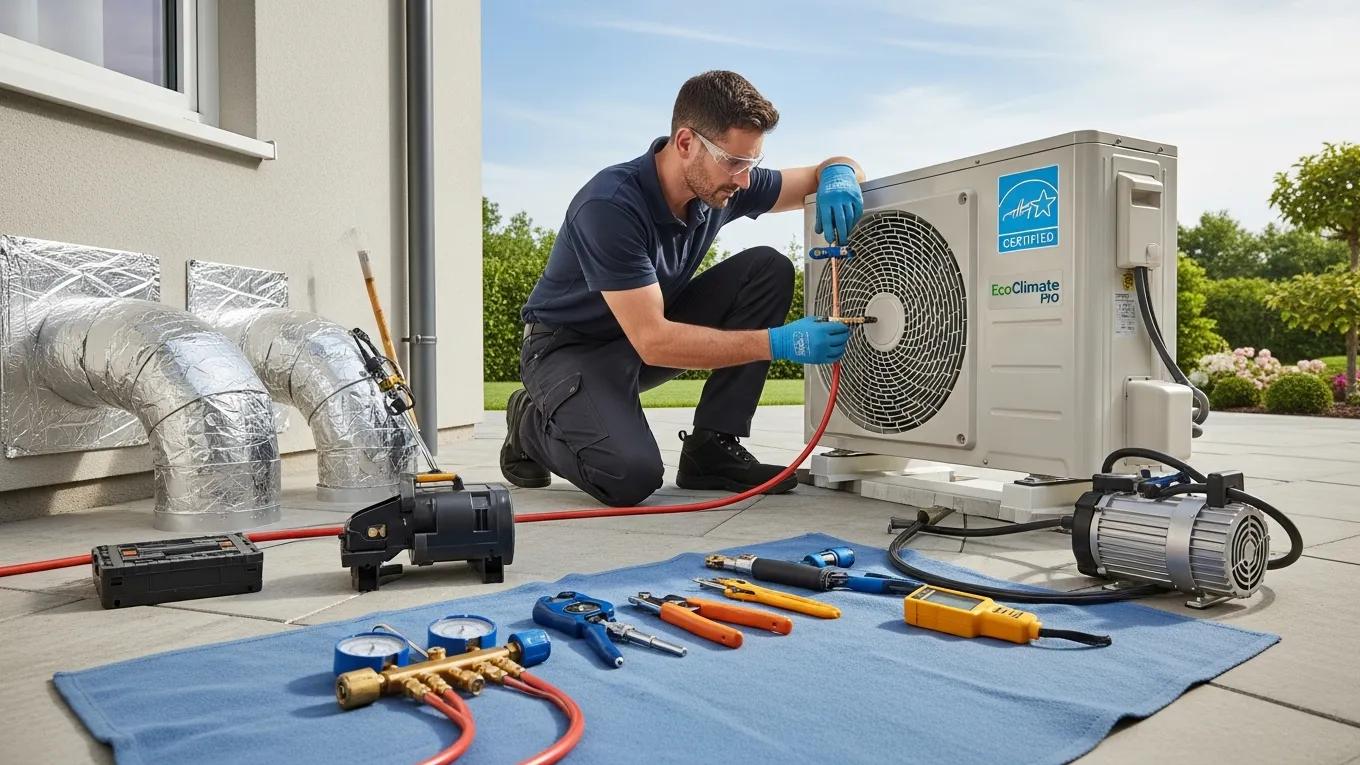
Energy-efficient HVAC systems reduce energy use and lower operating costs. At AC Tech Inc., we utilize technologies such as variable-speed drives and smart thermostats to regulate output and reduce waste. Investing in these systems yields measurable utility savings while supporting broader sustainability goals.
Different building types have different priorities: multifamily and commercial projects often focus on central plant efficiency, zoning, and building automation, while single-family residences benefit from right-sized equipment and smart controls. Scalable solutions—from replacing inefficient compressors to integrating building automation systems—allow owners to pick measures that deliver the best cost-to-performance outcomes for their property type.
AC Tech Inc. provides energy-efficient installation and maintenance services that align with Los Angeles, CA green building requirements. Our team assists clients in navigating regulatory complexities and delivers tailored solutions to improve system efficiency and occupant comfort.
Beyond installation, effective projects include measurement and verification (M&V) to track actual savings and validate performance. M&V data supports warranty claims, incentive applications, and ongoing optimization that preserves expected savings over the system lifecycle.
What Are the Benefits of Eco-Friendly Heating and Cooling Solutions?
Eco-friendly heating and cooling solutions deliver benefits beyond reduced environmental impact. Key advantages include:
- Energy Savings: Eco-friendly systems consume less energy, leading to lower utility bills. This reduction in energy use also contributes to a smaller carbon footprint, supporting environmental stewardship.
- Improved Indoor Air Quality: Advanced filtration and ventilation systems enhance air quality, promoting better health for occupants. Cleaner air reduces allergens and pollutants, creating a more comfortable indoor environment.
- Long-term Cost Benefits: While initial investments may be higher, the long-term savings from reduced energy consumption and maintenance costs make eco-friendly solutions financially viable. These systems often have longer lifespans, further enhancing their value.
Collectively, these advantages demonstrate why sustainable HVAC practices are valuable for both residential and commercial properties.
Additional benefits include improved resilience and reduced exposure to fuel price volatility when systems use cleaner energy sources or leverage on-site renewables. Buildings that perform efficiently are often easier to lease or sell, as tenants and buyers increasingly seek lower operating costs and better indoor environments.
How Do Sustainable HVAC Systems Reduce Energy Consumption and Costs?
Sustainable HVAC systems lower energy use through measures such as improved insulation, energy-recovery ventilators, and high-efficiency equipment. Optimized energy use reduces operating costs and cuts carbon emissions. Owners who invest in these solutions can expect payback via lower utility bills and, where applicable, tax incentives.
Managing lifecycle costs is a critical part of decision making. Efficient equipment often has lower maintenance needs and longer useful life when properly maintained. Owners should evaluate total cost of ownership—initial cost, expected savings, maintenance, and replacement timelines—to prioritize investments that yield the strongest long-term returns.
Which Green Building Certifications in Los Angeles, CA Recognize Sustainable HVAC Practices?
Green building certifications validate and encourage sustainable HVAC practices. In Los Angeles, CA, certifications such as LEED (Leadership in Energy and Environmental Design) and Energy Star are widely acknowledged. These programs set benchmarks for energy efficiency and environmental performance, motivating building owners to adopt best practices in HVAC design and operation.
Pursuing certification can guide project scope, from equipment selection to commissioning and occupant education. Documentation requirements encourage teams to track design assumptions, installation checklists, and operational verification—actions that help preserve projected energy performance over time.
What Is the Role of LEED and Energy Star Certifications in HVAC Compliance?
LEED and Energy Star offer frameworks to assess HVAC energy performance. LEED requires compliance with defined energy efficiency criteria, while Energy Star certifies equipment performance. Earning these certifications improves a building’s marketability and signals a commitment to sustainability to prospective tenants and buyers.
Certification processes typically require energy models, documentation of system controls, and demonstration of ventilation and filtration strategies. Achieving certification demonstrates that a project met independent benchmarks and that systems were specified and installed to achieve measurable performance goals.
How Do Certifications Influence HVAC Installation and Maintenance Standards?
Certifications establish installation and maintenance guidelines that align systems with efficiency and environmental standards. Certified systems typically undergo testing and performance evaluation to ensure reliability. Following these standards reduces failure risk and sustains efficient operation, which benefits building owners.
Maintenance protocols tied to certification often include recurring inspections, filter schedules, and performance logging. These activities preserve certification value and help owners avoid degradation of system performance that can erode projected savings.
What Are the Best Practices for Eco-Friendly HVAC Installation and Maintenance in Los Angeles, CA?
Adopting best practices for eco-friendly HVAC installation and maintenance maximizes efficiency and service life. Key practices include:
- Pre-installation Assessments: Conducting thorough assessments to determine the most suitable HVAC solutions for specific building needs. This ensures that the system is tailored to actual demand, avoiding oversizing or undersizing.
- Routine Maintenance Importance: Regular maintenance checks ensure systems operate at peak efficiency and help identify potential issues before they escalate. Proactive care extends equipment life and maintains comfort levels.
- Energy-efficient Installation Techniques: Utilizing advanced installation methods enhances system performance and reduces energy waste. Proper sealing, insulation, and calibration are critical components of this approach.
Successful projects begin with detailed load calculations, duct leakage testing, and an equipment selection process that matches capacity to real demand. Proper controls and sensors installed during the project enable dynamic response to occupancy and weather conditions.
Post-installation commissioning confirms that sequences of operation, setpoints, and control logic produce the intended outcomes. Periodic re-commissioning and trending analysis help adapt system operation over time as building use changes, preserving both comfort and efficiency.
How Does Proper HVAC Maintenance Enhance System Efficiency and Longevity?
Regular maintenance is essential to preserve efficiency and extend equipment life. Tasks such as filter replacement, duct cleaning, and scheduled inspections prevent performance loss and costly breakdowns. Routine service keeps systems running optimally and reduces operational expenses.
A maintenance program that includes vibration analysis, refrigerant charge checks, airflow verification, and motor and belt inspection prevents small problems from becoming major failures. Predictive diagnostics and record keeping let owners plan for repairs and budget for replacements before emergency failures occur.
What Sustainable Technologies Are Integrated in Modern HVAC Installations?
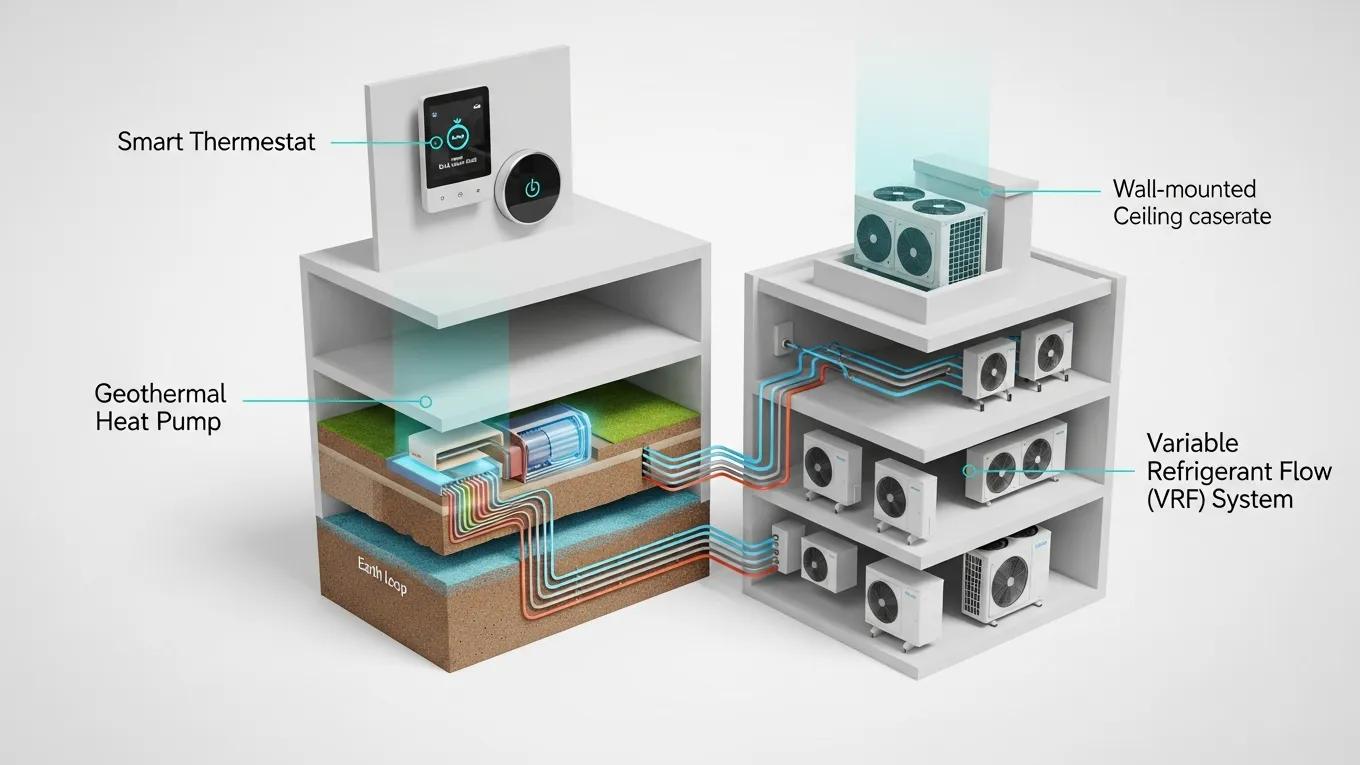
Contemporary HVAC installations integrate sustainable technologies to raise efficiency and lower environmental impact. These technologies include:
- Smart Thermostats: These devices allow for precise temperature control and energy management. By learning occupant behavior and adjusting settings accordingly, they reduce unnecessary energy consumption.
- Variable Refrigerant Flow (VRF) Systems: VRF systems provide efficient heating and cooling by adjusting refrigerant flow based on demand. This flexibility leads to significant energy savings and improved comfort.
- Geothermal Heat Pumps: Utilizing the earth’s stable temperature, geothermal heat pumps provide efficient heating and cooling. They reduce reliance on fossil fuels and offer consistent performance year-round.
These innovations improve performance and support a more sustainable built environment.
Other complementary technologies include heat recovery ventilators and energy-recovery ventilators that capture and reuse energy from exhaust air, electronically commutated motors (ECM) for improved fan efficiency, and enhanced filtration that preserves indoor air quality while minimizing pressure drop. Integration with building automation platforms enables coordinated control and continuous optimization.
How Can Building Owners Leverage Cost Savings and Incentives for Sustainable HVAC Upgrades?
Building owners can access cost savings and incentives for sustainable HVAC upgrades, including tax credits, rebates, and grants from local and state programs. Utilizing these incentives can significantly lower the upfront cost of system upgrades.
Combining incentives with financing mechanisms such as on-bill financing, energy service agreements, or performance contracts can reduce initial capital requirements and align payments with realized energy savings. Working with experienced contractors like AC Tech Inc. helps ensure incentive applications and required documentation are prepared correctly and submitted on time.
What Local and State Incentives Support Energy Efficient HVAC Systems?
Local and state incentives for energy-efficient HVAC systems vary and commonly include:
- Tax Credits: These financial incentives reduce tax liability for energy-efficient upgrades. They encourage investment in sustainable technologies by improving project affordability.
- Rebates: Utility companies often provide cash incentives for installing energy-efficient equipment. These rebates can offset a portion of the installation costs.
- Grants: Funding opportunities are available for projects that demonstrate significant energy savings. Grants can support larger-scale upgrades or innovative solutions.
Such incentives improve affordability and make sustainable upgrades more financially feasible for owners.
Owners should document project scope, energy savings estimates, and installation dates to meet program requirements. Many incentives require pre-approval or post-installation verification, so early engagement with program administrators is recommended to avoid ineligible work.
How Do Sustainable HVAC Solutions Lower High Energy Bills Over Time?
Sustainable HVAC solutions reduce energy bills over time by employing technologies that optimize consumption. Energy-efficient equipment uses less power, and smart controls enable precise management of heating and cooling. Together, these measures deliver measurable utility savings and a strong return on investment.
Routine tuning and control optimization after installation—often called performance tuning—can realign system behavior with current building use and occupancy. This ongoing attention ensures that savings identified during design and commissioning are maintained over time.
What Common HVAC Problems Are Addressed by Sustainable Solutions in Los Angeles, CA Buildings?
Sustainable HVAC solutions address common issues in conventional systems—inefficiency, excessive energy use, and poor indoor air quality. Implementing eco-friendly technologies mitigates these problems and improves overall system performance.
Typical issues remediated by sustainable upgrades include oversized equipment that cycles frequently, undersized or leaky ductwork that reduces delivered airflow, outdated controls that cannot support setback strategies, and inadequate filtration that harms indoor air quality. Targeted interventions such as right-sizing, duct sealing, and control upgrades address root causes and restore expected performance.
How Do Sustainable HVAC Systems Prevent Inefficiencies and Breakdowns?
Sustainable systems combine routine maintenance with advanced monitoring to reduce inefficiencies and failures. Predictive maintenance and real-time performance tracking detect anomalies before they cause breakdowns. This proactive strategy improves reliability and lowers long-term repair costs.
Remote monitoring and analytics enable service providers to identify trends—such as gradual loss of capacity or rising energy use—and to schedule corrective actions during planned downtime rather than responding to emergencies. This approach minimizes disruption and preserves both comfort and efficiency.
What Are Smart HVAC Controls and Their Role in Energy Management?
Smart HVAC controls enable precise monitoring and adjustment of system operation. By responding to occupancy patterns and environmental conditions, these controls optimize energy use and deliver significant savings. Integrating smart controls enhances efficiency and lowers operating costs.
Advanced controls provide data for demand response participation, allow time-of-use optimization, and enable integration with renewable generation. Over time, analytics derived from control data guide continuous improvement actions that maintain efficiency as building use evolves.
How Does AC Tech Inc. Provide Expertise in Sustainable HVAC Services for Los Angeles, CA Clients?
At AC Tech Inc., we provide sustainable HVAC services tailored to Los Angeles, CA clients. Our experience in energy-efficient installations and regulatory compliance delivers solutions aligned with local green building initiatives.
Our project workflow typically begins with an energy assessment and load analysis, followed by equipment selection, installation, commissioning, and ongoing maintenance. We coordinate with design teams and inspectors to streamline permitting and certification, and offer measurement and verification services to document project performance post-installation.
What Energy Efficient HVAC Installation Services Does AC Tech Inc. Offer?
AC Tech Inc. specializes in energy-efficient HVAC installation, offering systems that meet current sustainability standards. Our team evaluates client needs and recommends appropriate solutions to ensure optimal performance and regulatory compliance.
Services commonly include full system replacements, retrofit upgrades (controls, motors, and fans), ductwork improvements, and commissioning to verify design intent. We also help clients compile the documentation needed to pursue rebates and certifications.
How Does AC Tech Inc. Ensure Compliance with Los Angeles, CA Green Building Initiatives?
AC Tech Inc. maintains compliance with Los Angeles, CA green building initiatives by tracking current regulations and standards. Our installation and maintenance practices prioritize energy efficiency and environmental responsibility.
We document equipment specifications, test results, and commissioning reports to demonstrate compliance during plan review and inspections. Regular training and internal quality checks help keep our installation crews aligned with the latest code expectations and industry best practices.
Where Can You Schedule Sustainable HVAC Services and Get Support in Los Angeles, CA?
Building owners can contact AC Tech Inc. to schedule sustainable HVAC services. Our team provides professional service and support for installation, maintenance, and compliance needs.
During an initial consultation, we typically discuss building goals, review existing system information, and recommend a site visit to perform diagnostic testing. The site visit informs a detailed proposal that outlines scope, timelines, and estimated costs, helping owners evaluate options and next steps.
How to Schedule Energy Efficient HVAC Installation and Maintenance Services?
To schedule energy-efficient installation or maintenance, contact AC Tech Inc. for an initial consultation. Following assessment, we provide a detailed proposal that outlines recommended services and estimated costs.
Owners should prepare utility bills, equipment records, and any recent inspection or maintenance reports before the site visit. This information speeds assessment and helps our team identify quick wins alongside longer-term upgrade opportunities.
What Are the Contact Options for Eco-Friendly HVAC Consultations?
AC Tech Inc. offers phone and email contact options for eco-friendly HVAC consultations. Our team responds to inquiries and provides information on available services.
When reaching out, expect to be asked basic project details—building type, age, current system type, and primary concerns—so we can tailor the initial consultation and recommend appropriate diagnostic steps. Follow-up visits and written proposals provide the clarity needed to move from assessment to implementation.
Get Started with Sustainable HVAC Solutions Today
Partner with AC Tech Inc. to enhance your building’s energy efficiency and sustainability. Our expert team is ready to guide you through green building compliance, energy-efficient HVAC installation, and ongoing maintenance tailored to your needs in Los Angeles, CA.
Contact us to schedule your consultation and take the first step toward a more sustainable, cost-effective HVAC system that benefits both your property and the environment.